


- Article
The right packaging material sets the scene
A good product is the starting point for commercial success. But before anyone experiences the product itself, they experience the packaging around it. Is this standard cookware or a chef’s choice? The answer starts to form before the product is ever used, when the choice of packaging material begins to create associations and shape the overall experience.
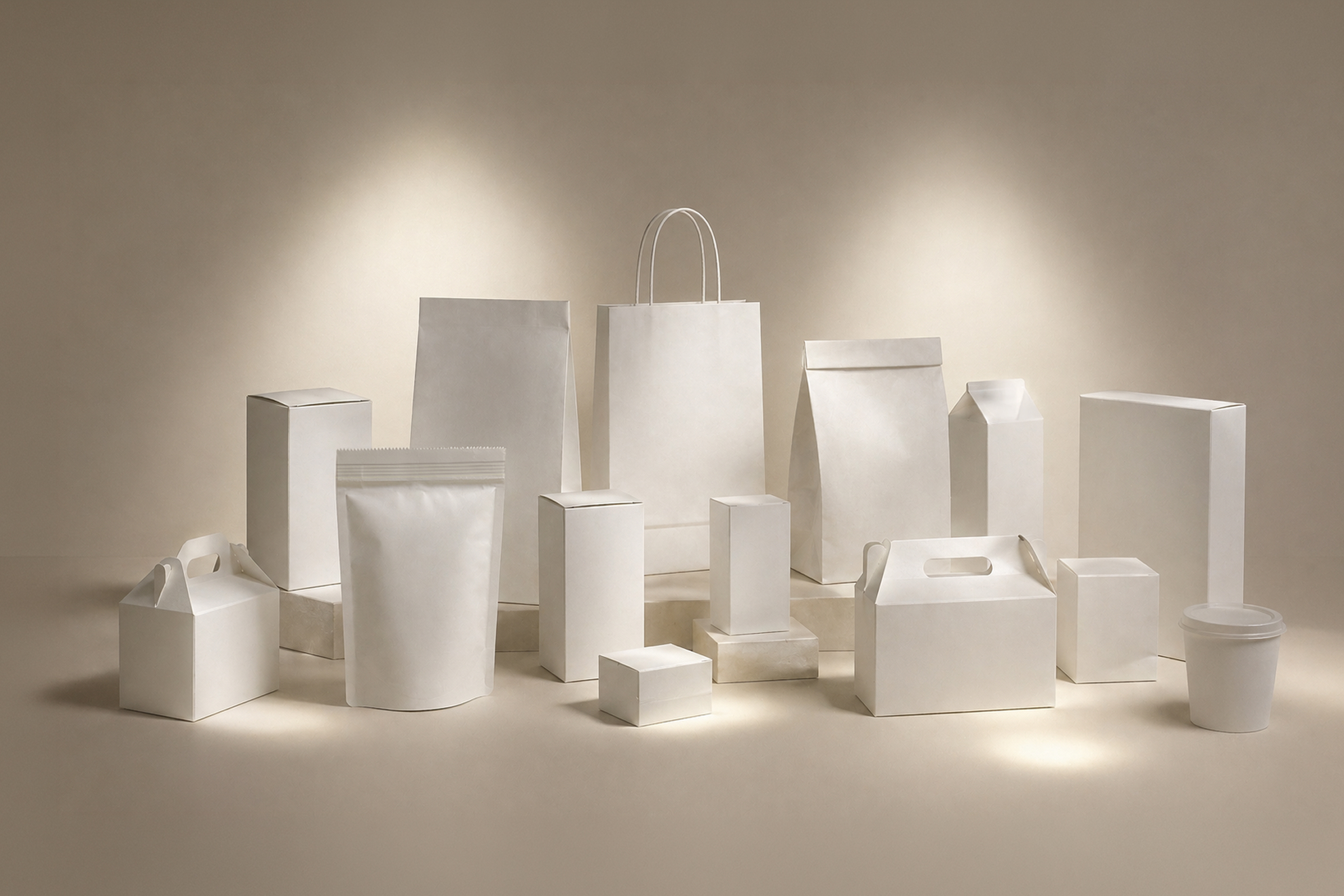
Packaging creates first impressions
Research shows that packaging design affects purchase decisions for roughly two thirds of consumers, and that the material itself plays a role for about as many[1]. Shape, surface and structure all contribute to an immediate impression of what kind of product it is and what level of quality it’s likely to deliver.
Psychologist Daniel Kahneman described this kind of thinking as fast, intuitive and automatic in his book Thinking, Fast and Slow. In other words, people tend to form impressions first and explain them later. In packaging, this means the immediate look and feel can influence how a product is perceived long before performance is proven.
The same mechanism appears in other areas of consumer behavior. Price can influence taste. Presentation can influence trust. Physical cues can influence quality judgments. Packaging works in much the same way. It doesn’t just reflect the product inside. It helps define it.
Across the customer journey
Beyond the first impression, the choice of packaging material plays a key role at every stage: standing out in comparison, creating confidence at the point of purchase and continuing to reinforce the brand after purchase. The material carries the product’s identity all the way through[2].
In some cases, the role of the material is to support a premium impression. In others, it’s to signal practicality, reliability or value for money. The point isn’t to make every product feel expensive. The point is to make it feel just right for the target audience.
High-performing, fiber-based materials can have a real impact here. Strong fibers make lightweight packaging possible without compromising durability or structural integrity, reducing the risk of damage and returns while improving the customer experience.
At the same time, these materials communicate environmental consideration in a way consumers recognize. Around seven in ten consumers say they’re more likely to choose brands using paper-based packaging, and similar numbers say they prefer paper or cardboard packaging to other materials[1].
Industrial products are no exception
It’s easy to assume that packaging only matters in consumer markets. In business-to-business sales, though, purchase decisions aren’t purely rational. In some ways, emotional factors can matter even more, with more money at stake and more people involved, each bringing their own priorities and opinions.
Buyers may work with supplier lists, specifications and formal evaluation processes. But first impressions still matter. Packaging can signal the relationship between price and performance before a detailed evaluation even begins. It can suggest reliability and professionalism to direct decision-makers like procurement teams, and to indirect audiences like the people who’ll actually use the product. It can help a product get shortlisted and stay there.
From perception to selection
Packaging materials don’t just protect products. They also shape consumer perception, influence experience and support selection – helping products look right, feel right and communicate the right value from the very first second and long after purchase.
The right packaging material sets the scene, ensuring products are understood and experienced as intended.